
حقن التربة ومعالجة الفراغات الأرضية
معالجة هندسية لمشاكل الهبوط وضعف التربة أسفل القواعد، باستخدام تقنيات حقن مناسبة لحالة الموقع ووفق المعايير الهندسية.
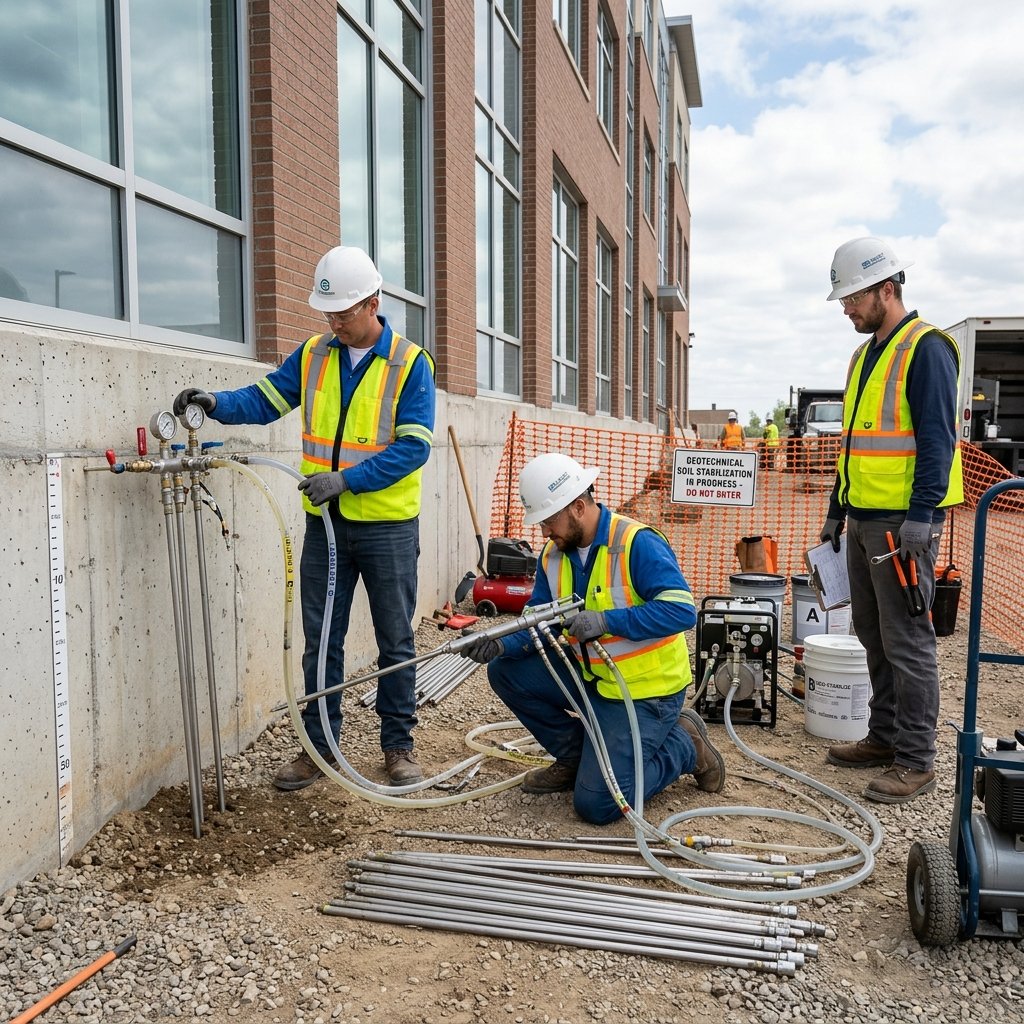
ما هو حقن التربة؟
حقن التربة هو إجراء هندسي يهدف إلى تحسين خواص التربة أسفل القواعد أو الأرضيات من خلال ضخ مواد مناسبة داخل الفراغات أو المناطق الضعيفة. يساعد هذا الإجراء في تقليل الهبوط، تحسين التماسك، ورفع قدرة التربة على تحمل الأحمال.
متى تحتاج هذه الخدمة؟
تتعدد المؤشرات التي تدل على حاجة الموقع للتدخل العاجل، ومن أبرز هذه العلامات:
ظهور تشققات في الجدران.
هبوط في الأرضيات.
ضعف في التربة أسفل القواعد.
وجود فراغات أو تخلخل في التربة.
تأثر الأساسات بسبب تسربات المياه.
هبوط بسيط أو متوسط يحتاج إلى معالجة قبل أن يتطور.
طريقة التنفيذ
نعمل في هامات يونايتد وفق آلية هندسية واضحة تضمن معالجة المشكلة من جذورها بشكل آمن:
معاينة الموقع
معاينة الموقع وفهم طبيعة المشكلة.
التشخيص
فحص وتشخيص حالة التربة أو الهبوط.
تحديد النقاط
تحديد نقاط الحقن المناسبة.
اختيار المادة
اختيار مادة الحقن حسب الحالة.
التنفيذ الميداني
تنفيذ عملية الحقن بطريقة منظمة وآمنة.
التقرير
متابعة النتائج وتسليم تقرير مختصر للعميل.
المواد المستخدمة
يتم تحديد مواد الحقن حسب حالة الموقع ونوع المشكلة. قد تختلف المواد حسب طبيعة التربة، مستوى الفراغات، درجة الهبوط، والهدف من المعالجة.
مميزات الخدمة
- تقليل الهبوط الناتج عن ضعف التربة.
- تحسين استقرار التربة أسفل القواعد.
- حل مناسب في حالات معينة دون تدخل إنشائي كبير.
- تنفيذ منظم وآمن.
- مناسب للمباني السكنية والتجارية.
- يساعد في تقليل تطور التشققات المرتبطة بالتربة.
الأسئلة الشائعة
ليس دائمًا. يتم تحديد ذلك بعد المعاينة والفحص، لأن بعض الحالات قد تحتاج إلى حلول إضافية أو مختلفة.
نعم، الفحص مهم لتحديد سبب المشكلة وطريقة المعالجة المناسبة.
عند تنفيذه بشكل صحيح، يكون الهدف منه تحسين الاستقرار وتقليل المخاطر، ويتم التنفيذ بطريقة منظمة وآمنة.
يعتمد الوقت على حجم الموقع، عدد نقاط الحقن، وطبيعة المشكلة.